Writer-Gustavsen Josefsen
If you're considering vision correction alternatives, PRK eye surgical procedure could be on your radar. It's developed to reshape the cornea, aiding with astigmatism, nearsightedness, and farsightedness. Unlike LASIK, PRK avoids the corneal flap, making it a sensible option for those with thinner corneas. Yet is it the appropriate suitable for you? Let's discover how PRK functions, its advantages over LASIK, and what dangers you need to be aware of.
Just How PRK Surgery Corrects Astigmatism, Nearsightedness, and Farsightedness
PRK surgical procedure efficiently deals with astigmatism, nearsightedness, and farsightedness by reshaping the cornea.
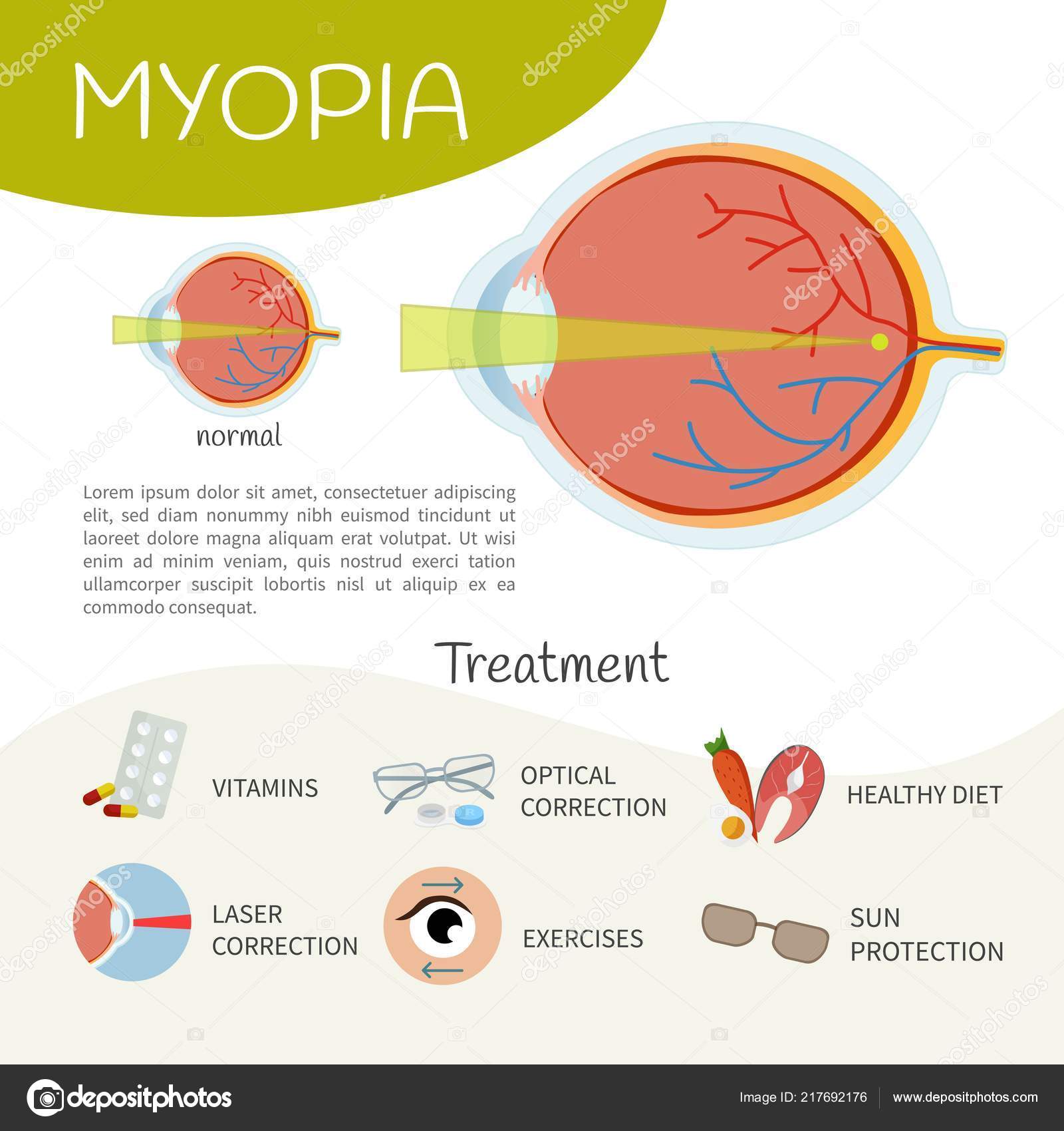
During the treatment, your eye specialist utilizes a laser to remove a slim layer of corneal tissue, permitting light to concentrate appropriately on your retina. This adjustment modifies the curvature of your cornea, resolving the particular refractive mistake you have.
If you're nearsighted, the laser flattens your cornea; if you're farsighted, it steepens it; and for astigmatism, it smooths out irregularities.
After surgical treatment, your vision normally enhances as your eyes heal, though recuperation might take longer than with LASIK.
PRK's efficiency makes it a sensible alternative for those seeking clarity in their vision without glasses or contacts.
Perks of Deciding On PRK Over LASIK for Vision Improvement
While many people think about LASIK for vision correction, going with PRK can provide distinct advantages that make it an engaging choice.
Among simply click the following page is that PRK does not include cutting a corneal flap, which reduces the danger of issues associated with flap-related concerns. This makes PRK particularly suitable for individuals with thinner corneas.
In addition, PRK has a tried and tested performance history for treating greater levels of astigmatism and is effective for those with dry eyes, as it maintains a lot more corneal nerves.
The recovery procedure can be a bit longer, yet lots of discover that the outcomes are worth the delay.
Ultimately, choosing PRK can offer you with stable, lasting vision modification tailored to your details needs.
Exist Dangers or Disadvantages to PRK Eye Surgical Treatment?
What should you understand about the risks or disadvantages of PRK eye surgery? While PRK can properly deal with vision, it is essential to be knowledgeable about possible issues.
You might experience pain, consisting of burning or irritation, throughout the preliminary recovery stage. This discomfort typically subsides, yet some people report long term level of sensitivity to light.
In addition, there's a possibility of under-correction or over-correction, which might necessitate more procedures.
Vision healing may take longer than with LASIK, sometimes several weeks. You could also encounter a greater risk of haze development, specifically if you have a background of dry eyes.
Always consult your eye care expert to go over these dangers and identify if PRK is the right option for you.
Verdict
To conclude, PRK eye surgery can successfully correct astigmatism, nearsightedness, and farsightedness by improving your cornea. Porter Ophthalmology Who Qualifies For PRK Surgery Raleigh provides distinctive advantages over LASIK, especially for those with thinner corneas. While recuperation takes longer and might include some pain, the potential for stable, long-lasting vision makes it a worthwhile factor to consider. Always seek advice from your eye care professional to establish if PRK is the ideal choice for your vision needs. Take the primary step in the direction of clearer sight today!